Common Causes Of Household Drainage Problems
Homeowners facing household drainage problems often seek local contractors who can identify and fix issues caused by clogs, tree roots, or pipe damage.
Understanding the common causes of household drainage problems is essential for property owners seeking to maintain a functional and trouble-free plumbing system. Issues like accumulated debris, grease buildup, tree root intrusion, and aging pipes can all contribute to slow drains, backups, or foul odors. Recognizing these potential culprits can help homeowners take proactive steps to prevent more serious issues down the line, and it highlights the importance of professional household drainage repair services. Local contractors who specialize in drainage solutions have the experience to diagnose these common problems accurately and recommend effective remedies, ensuring that drainage systems stay clear and operational.
For property owners in the area, exploring the causes behind drainage issues can lead to practical solutions that protect their investment and avoid costly repairs. Whether it's addressing blockages caused by everyday use or tackling more complex problems like tree roots infiltrating underground pipes, local service providers are equipped to handle a range of household drainage concerns. Keeping drains flowing smoothly not only improves the comfort of a home but also helps prevent damage caused by persistent backups or leaks. Continuing to learn about these common causes can empower homeowners to make informed decisions and connect with experienced professionals who can restore proper drainage efficiently.
- Clogged drains - when debris or buildup blocks household pipes, local contractors can perform drain cleaning to restore proper flow.
- Tree root intrusion - tree roots can penetrate underground pipes causing backups, and local pros use specialized equipment to remove obstructions.
- Grease buildup - kitchen grease can solidify and cause clogs, with service providers offering thorough pipe flushing to clear blockages.
- Broken or collapsed pipes - aging or damaged piping may lead to leaks or backups, and local experts can assess and repair or replace affected sections.
- Poor drainage design - improper pipe slopes or layout issues can cause drainage problems, with local contractors optimizing pipe systems for better flow.
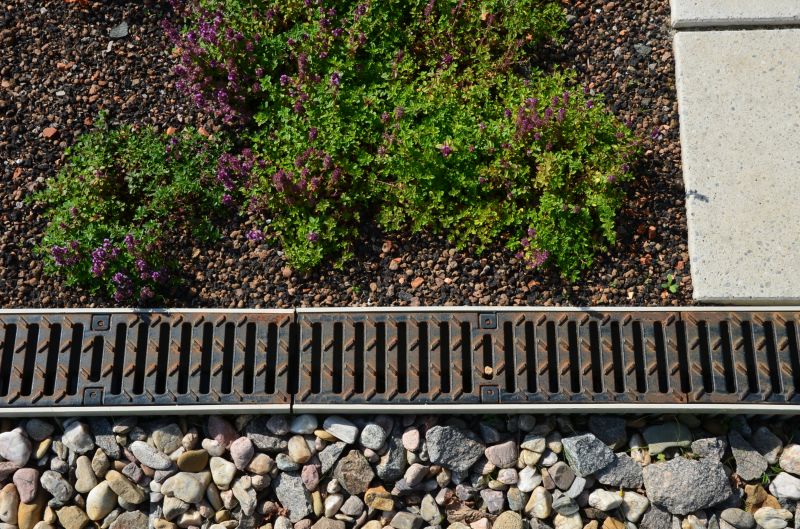
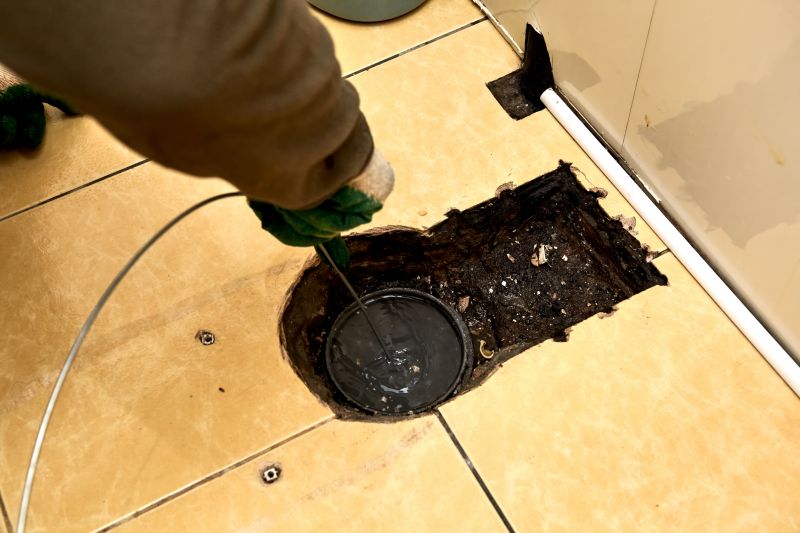
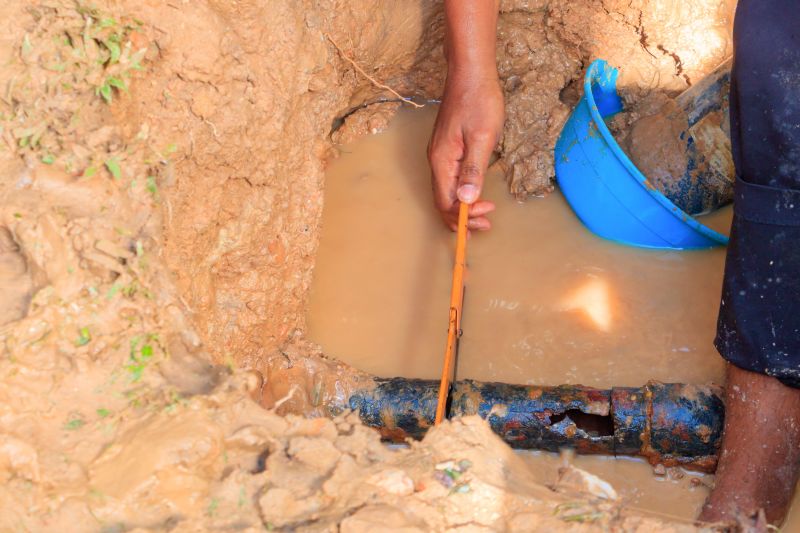
Understanding the common causes of household drainage problems is essential for homeowners experiencing issues with their plumbing systems. When people search for this topic, they are often looking to identify why their sinks, toilets, or drains are slow or blocked. These problems can stem from a variety of underlying issues, such as buildup of debris, grease, or soap scum that accumulates over time within pipes. Recognizing these causes can help homeowners determine whether a simple cleaning might resolve the issue or if more extensive repairs are needed. Local service providers specializing in household drainage repair can diagnose these problems accurately and recommend the appropriate solutions to restore proper drainage.
Drainage problems are frequently related to specific plans or routines within a household that contribute to pipe blockages or damage. For example, improper disposal of fats and oils down kitchen drains can solidify and create stubborn clogs. Additionally, flushing non-flushable items like wipes or sanitary products can lead to blockages in toilets and main lines. Over time, tree roots may invade underground pipes, causing cracks or complete blockages, especially in older properties. Understanding these common causes helps homeowners recognize how everyday habits and household layouts influence drainage health. Local contractors experienced in household drainage repair are well-equipped to address these issues through cleaning, pipe repair, or replacement, ensuring the system functions smoothly.
The types of properties that typically experience drainage problems vary but often include older homes with aging plumbing infrastructure, multi-family buildings with high usage, and properties with inadequate drainage planning. Older residences may have outdated pipes that are more prone to corrosion, cracking, or root intrusion. Multi-unit dwellings can face unique challenges due to increased demand on shared drainage systems, leading to frequent clogs or backups. Newer homes might encounter issues if drains were improperly installed or if landscaping changes disturb underground pipes. Knowing the property type helps homeowners understand potential causes and the importance of professional diagnosis. Local service providers can assess the specific needs of each property and recommend tailored repair or maintenance plans.
Identifying the common causes of household drainage problems is a practical step toward maintaining a healthy plumbing system. Homeowners should be aware that issues like debris buildup, improper disposal habits, tree root intrusion, or aging pipes are typical culprits behind drainage failures. Recognizing these factors can prevent minor issues from escalating into costly repairs. Connecting with experienced local contractors who specialize in household drainage repair ensures that problems are addressed efficiently and effectively. These professionals can perform thorough inspections, diagnose the root causes, and provide the necessary services to keep drainage systems functioning properly, helping homeowners avoid future disruptions and maintain a comfortable living environment.
Plumbing installation projects - installing new pipes and fixtures requires understanding drainage systems, similar to diagnosing causes of household drainage problems.
Drain cleaning services - clearing clogged drains involves tools and techniques that are also used to address common causes of household drainage issues.
Sewer line repair - repairing or replacing damaged sewer lines involves similar planning and equipment as resolving drainage problems caused by blockages or breaks.
Pipe repair and replacement - fixing or upgrading existing piping shares skills with identifying and resolving issues related to household drainage problems.
Backflow prevention installation - implementing devices to prevent contaminated water backup relates to managing drainage system failures and blockages.
Water leak detection - locating leaks behind walls or underground connects to troubleshooting drainage problems caused by unseen pipe issues.
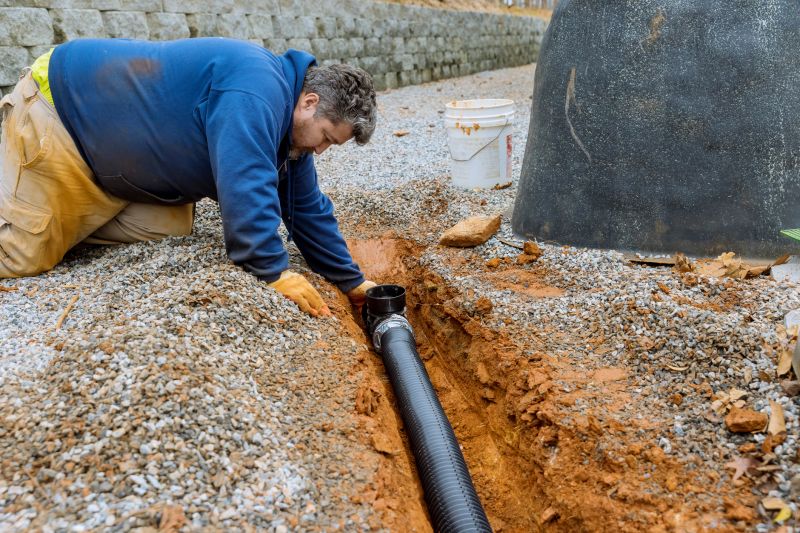
When evaluating service providers for household drainage repair, it is important to consider their experience with similar projects. A contractor who has handled issues related to common causes of household drainage problems-such as tree root intrusion, grease buildup, or pipe corrosion-may be better equipped to diagnose and resolve the issue efficiently. Homeowners should inquire about the types of drainage problems the contractor has managed in the past and whether they have a proven track record of successfully addressing issues similar to their own. This background can provide confidence that the service provider understands the complexities involved and has the practical knowledge necessary to deliver effective solutions.
Clear written expectations are essential when selecting a local contractor for drainage repairs. A reputable service provider should be able to communicate the scope of work, the methods they plan to use, and any potential limitations or considerations upfront. Having detailed, written information helps ensure that homeowners and contractors are aligned on what will be done, reducing misunderstandings or surprises during the project. This clarity also allows homeowners to compare different providers more easily and make informed decisions based on the level of transparency and professionalism demonstrated.
Reputable references and strong communication are key indicators of a reliable service provider. Homeowners should seek out local contractors who can provide references from previous clients, especially those who had similar drainage issues. Talking to past customers can offer insights into the quality of work, reliability, and how well the contractor communicates throughout the project. Good communication extends beyond just providing information; it involves responsiveness, clarity, and a willingness to answer questions. Choosing a service provider who demonstrates these qualities can lead to a smoother repair process and a more satisfactory outcome when addressing common causes of household drainage problems.
Property owners often search for common causes of household drainage problems when they are planning practical projects around their homes and businesses. Local pros provide Household Drainage Repair services for everyday jobs and straightforward project options.
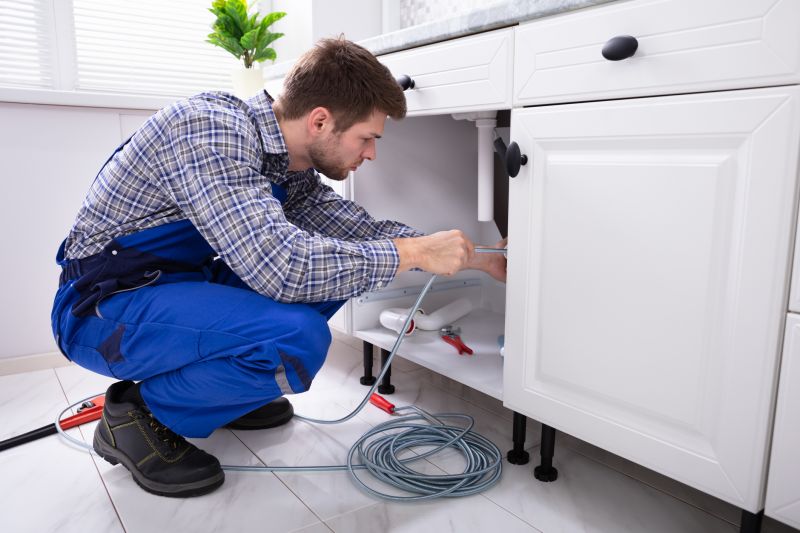
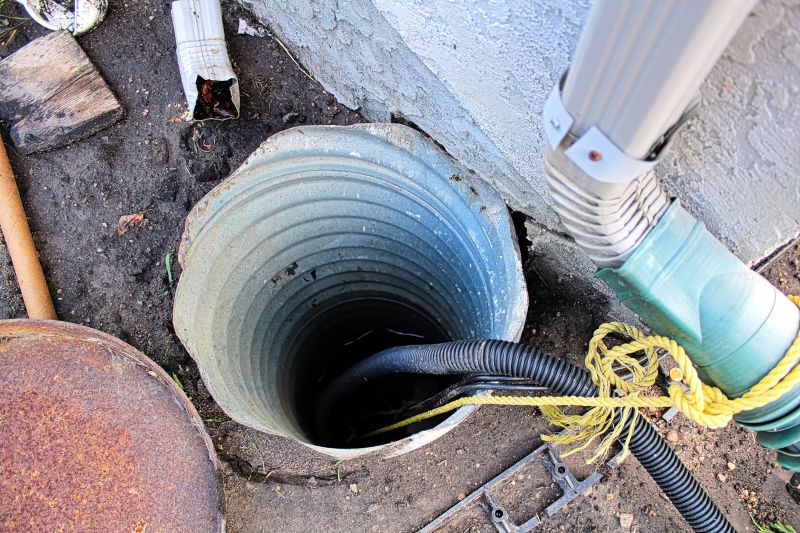
Household drainage problems often stem from everyday situations that property owners in the area might encounter. For example, buildup of grease, soap scum, and hair can gradually clog kitchen and bathroom drains, leading to slow drainage or backups. Additionally, flushing inappropriate items or disposing of fats and oils down the drain can contribute to blockages over time. Heavy rain or improper grading around a property can also cause outdoor drainage issues, resulting in water pooling or flooding that affects indoor plumbing systems.
Many common causes of household drainage problems can be addressed by local contractors specializing in household drainage repair. These professionals can inspect and clear clogs caused by debris, grease, or foreign objects, restoring proper flow. They can also identify issues related to improper installation or structural damage that might be contributing to persistent drainage concerns. Contacting experienced service providers ensures that drainage issues are diagnosed accurately and resolved efficiently, helping property owners maintain a functional and trouble-free plumbing system.
What are common causes of household drainage problems? Common causes include clogs from debris, grease buildup, tree roots infiltrating pipes, and aging or damaged plumbing components that restrict water flow.
How does tree root intrusion affect household drainage? Tree roots can grow into underground pipes, causing blockages and cracks that lead to drainage issues and potential pipe damage.
Can grease buildup cause drainage problems? Yes, grease and fat can solidify inside pipes, creating stubborn blockages that hinder proper drainage and may require professional clearing.
What role does pipe aging play in drainage issues? Over time, pipes can corrode, crack, or develop leaks, which can lead to clogs and reduced water flow, necessitating repairs or replacements by local contractors.
How do debris and foreign objects cause drainage blockages? Items like hair, soap scum, and food particles can accumulate and form obstructions within pipes, leading to slow drains or backups that local service providers can resolve.
Clogged drains are a common cause of household drainage problems; property owners can learn to identify early signs and seek help from local contractors to clear blockages. Tree roots can invade underground pipes, and homeowners might consider professional pipe inspections to detect and address root intrusion with the help of local service providers. from kitchen use can cause slow drains; property owners can prevent this by having local pros perform drain cleaning services regularly. Damaged pipes due to age or shifting foundations can lead to leaks or backups; consulting with local contractors for repairs ensures proper fixes to maintain proper drainage.
If you are thinking about common causes of household drainage problems for a property, this guide is meant to help you understand this topic, the typical project types, and how different options might fit your plans.
When you are ready, you can use the quote form on this page to share a few details about your project. From there, local pros can review the basics and follow up with options that match what you have in mind.